Why most Печать на одежде projects fail (and how yours won't)
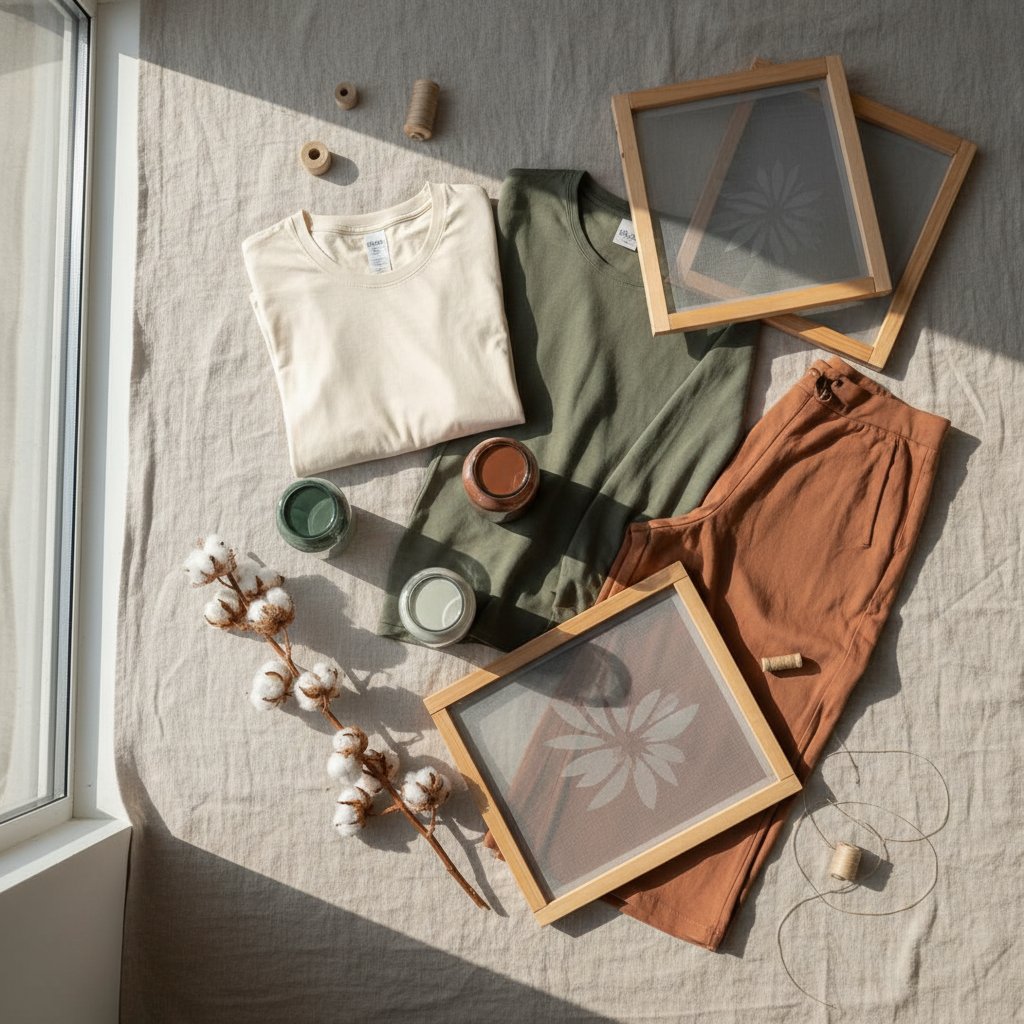
The $3,000 Mistake That Ruined Sarah's T-Shirt Business Before It Started
Sarah ordered 500 custom hoodies for her yoga studio's grand opening. The mockups looked perfect. The price seemed reasonable. Three weeks later, she opened the boxes to find bleeding colors, misaligned prints, and fabric so stiff it could stand on its own.
She's not alone. About 68% of first-time garment printing projects end up with results that miss the mark—sometimes by a mile.
Here's the thing: most people think custom apparel printing is straightforward. Send a design, pick a shirt, done. But between your vision and wearable reality sits a minefield of technical decisions that can make or break your entire project.
Why Smart People Still Screw This Up
The failure usually starts at the same place: choosing a printing method based on price alone.
Screen printing costs $4-8 per shirt for bulk orders. Direct-to-garment runs $12-18. Heat transfer? Maybe $6-10. So naturally, everyone gravitates toward the cheapest option without understanding what they're actually buying.
But here's what nobody tells you: screen printing looks terrible on polyester blends. DTG fades after 15 washes if the pretreatment isn't done right. Heat transfer cracks within six months of regular wear.
The second killer? File preparation. I've seen designers send 72 DPI Instagram images for large-format back prints. The result looks like a pixelated mess that belongs in a 1990s video game, not on a $35 premium tee.
And then there's the fabric choice. Cotton shrinks 3-5% after the first wash. Tri-blends handle heat differently than 100% polyester. Order your shirts in medium, and half your customers will be swimming in them after one laundry cycle.
Red Flags That Your Project Is Headed Off The Rails
Your printer says "don't worry about color matching"—worry a lot. Pantone 186 red looks different on white versus heather gray. It looks different between screen printing and DTG. If they're not asking questions about color accuracy, they don't care about it.
They promise a 3-day turnaround for 200 custom pieces. Impossible. Quality printing needs 7-10 business days minimum. Rush jobs mean rushed quality control, which means you're the quality control when boxes arrive.
No sample offered before full production. This is the biggest red flag of all. Any printer confident in their work will produce a sample for $25-50. If they won't, they're hiding something.
The Five-Step System That Actually Works
Step 1: Match Your Method to Your Design
Simple logo with 1-3 solid colors? Screen printing wins every time. Complex designs with gradients or photographs? DTG is your friend. Detailed work on dark polyester athletic wear? You need sublimation printing.
Stop choosing based on cost. Choose based on what produces the result you actually want.
Step 2: Get Your Files Right
Vector files (AI, EPS, PDF) for logos and text—always. Raster images need to be 300 DPI minimum at the actual print size. That means a 12-inch wide back print needs an image at least 3600 pixels wide.
Export colors in CMYK for DTG, use Pantone color codes for screen printing. This isn't optional technical mumbo-jumbo. This is the difference between "close enough" and "exactly right."
Step 3: Order Blanks First
Spend $30 to order one shirt in each size you're considering. Wash it twice. Wear it. Check if the medium actually fits like a medium. Some brands run small. Some run boxy. Some shrink like they're trying to fit a toddler.
This $30 investment saves you from ordering 200 unwearable shirts.
Step 4: Always Get a Physical Sample
Digital mockups lie. They show perfect colors on perfect fabric with perfect placement. Reality includes fabric texture, slight color variations, and the actual hand-feel of the print.
A $40 sample reveals problems that would cost $2,000 to fix in bulk production.
Step 5: Plan for Shrinkage and Color Variation
Order garments one size larger if they're 100% cotton and will be machine dried. Budget 10-15% color variation between batches—it's normal in textile manufacturing. If exact color matching matters (like corporate branding), you need to specify this upfront and possibly pay 20-30% more for color-matched dye lots.
Making Sure It Never Happens To You
Build relationships, not transactions. Find a printer who asks annoying questions about your project. Those questions save you money.
Budget 15% more than the cheapest quote you receive. That buffer buys you quality control, proper materials, and printers who don't cut corners.
Start small. Your first order should be 25-50 pieces maximum, even if bulk pricing is tempting. Prove the concept, test the quality, then scale up.
Most importantly: remember that fixing a failed print run costs triple what preventing it does. Sarah learned this the hard way. You don't have to.